
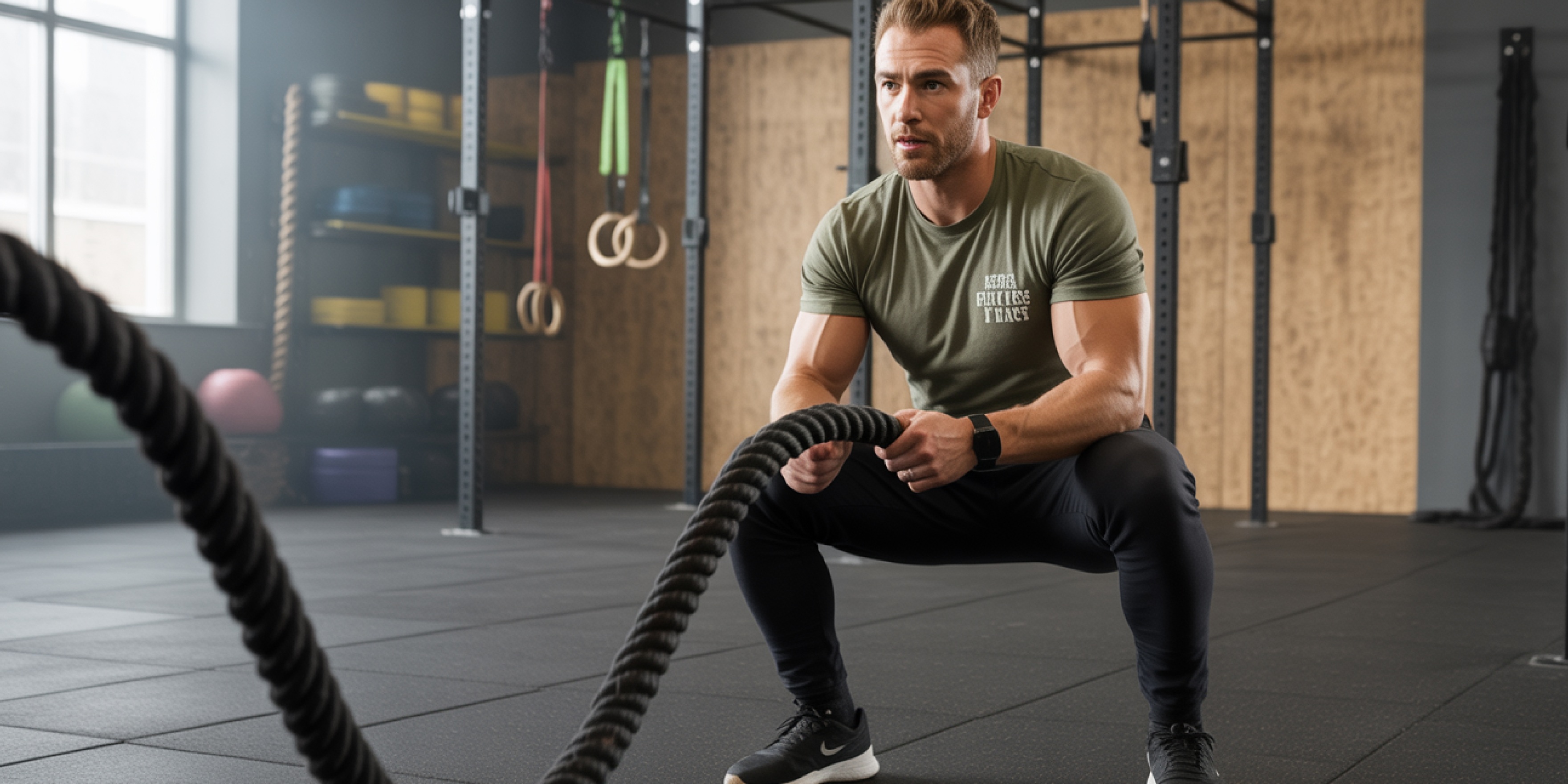
Why do we strength train? Is it only to build muscles and look ripped? Gym culture used to focus on bodybuilding with and without machines. Private gyms have updated training to improve your movements in everyday life.
This is what functional training is. In simple terms, it means training to help you move, lift, twist, and carry better in real life. Everyone is aware of the benefits of functional training. Private gyms have led the shift to functional training by offering personalised functional workouts. These workouts are not only focused on building strength but also on usable fitness.
What is the point if you can deadlift 200 kilos but can’t carry your groceries without breaking a sweat? Training in private gyms has to translate to a painless, free range of motion for the body.
This blog explains the logic behind functional training and how it benefits your daily activities.
What Exactly Is Functional Training?
Functional training is movement-based. They are multi-joint exercises that mimic real-life actions. Isolation machine-based workouts focus on one muscle group at a time. They help strengthen and build those muscles. But that doesn’t help in daily activities. If you have strong arms and weak legs, the balance of your body is compromised. Functional training focuses on training multiple parts with each exercise. This builds strength with functionality.
Functional training in private gyms focuses on coordination, balance, flexibility, and endurance. It is more than raw strength.
Common exercises to improve functional strength are kettlebell swings, medicine ball throws, sled pushes, battle ropes, and TRX movements. These exercises are flexible and can be modified for all levels of fitness- from beginners to athletes.
Why Private Gyms Are Perfect for Functional Training
Functional training at private gyms has an added advantage: they can be personalised to suit your lifestyle. Trainers understand your lifestyle and fitness goals and design programs to make your life easier. Young mothers need more endurance to carry their kids, marathon runners need endurance and stamina to run, and people with desk jobs need to improve their posture and fix chronic aches and pains. Your training program will be structured to enhance your lifestyle.
Private gyms have functional spaces with open zones, rigs and tools. You are free to train in any zone at your own time. You will not find endless rows of machines with people queuing to use them. Private gyms allocate slots to each client, so the gym is not too crowded at any time. Everyone can access all the equipment and work at their own pace.
Trainers at private gyms will always have an eye on you when you work out. They will correct your form and movement if needed. With correct form, you can prevent injuries and get faster results.
Strength That Works in Real Life
For everyday people who want to build practical strength, functional training is the key. It is the kind of training that helps with carrying groceries, climbing stairs, lifting luggage or playing sports. Everyday activities are made easier with functional training.
It strengthens muscle groups with every exercise. The body builds strength as a whole. It improves coordination and agility. The best part of functional training is that it makes you resilient to accidents and injuries.
For better balance and posture, the core has to be strong. Functional training works your core and keeps it strong. It encourages the body to work as a single connected unit- muscles, joints and brain working in sync. Every part of the body is targeted and strengthened together.
Movement Over Muscles: The Science Behind It
Functional exercises at private gyms target multiple muscles with movements such as pushing, pulling, squatting, hinging, rotating, and carrying. These exercises stabilise the core and make it stronger. It improves motor coordination and control. Functional strength increases mobility and reduces stiffness.
The improvement in neuromuscular coordination benefits the body in many ways. It improves the reaction time, so you build resilience to accidents. It enhances body awareness, making you less prone to injuries. It improves efficiency in daily activities.
Compound exercises, such as those involved in functional training, work as a cohesive body-strengthening routine. In contrast, isolation exercises target a muscle and build it. This can create an imbalance in the body if all the muscles are not worked to the same level in isolation.
Core is King: The Hidden Powerhouse
The core is not just your abs. It is the network of muscles that connect the upper and lower body. Core strength is important for many exercises in the gym. Functional training in private gyms builds core stability through dynamic movements that emulate real-world movements.
Exercises such as planks, rotational cable pulls, and stability ball rollouts work different muscle groups. These exercises help improve posture. People with sedentary lifestyles often experience lower back pain. Functional training helps reduce lower back pain. You will notice better power transfer in all activities.
Balance, Stability, and Coordination: The Forgotten Trio
Traditional workouts often ignore balance and stability. They are focused on building muscle strength one muscle at a time. Balance and stability improve with functional training. These exercises require core strength, a requisite for functional training.
When the core is strong, balance improves, increasing resilience to falls or injuries. This is especially useful as we age and are more prone to falls.
Stability training with BOSU balls, single-leg work, and TRX strengthens supporting muscles. People notice a drastic improvement in athletic performance. Daily movement fluidity gets better. There is a difference between tripping over a curb and catching yourself before you hit the asphalt. Functional training helps you bridge that difference.
Why ‘Functional’ Doesn’t Mean ‘Easy’
The workouts may look simple, but that can be misleading. These workouts are tough and require control, focus, and endurance. As functional training involves working multiple muscle groups, it means higher energy expenditure. While strengthening your muscles, it also works your cardiovascular system.
Designed for Every Body
Functional training works for all ages, fitness levels, and goals. It is ideal for people recovering from injuries and for improving mobility. Trainers design workouts that are scalable in intensity and resistance.
These workouts can be beneficial for athletes and busy professionals alike. Beginners also stand to benefit from this training. Kettlebells, medicine balls, resistance bands, sandbags, etc., are used to train the body through natural movements. These workouts challenge your stability, and that is how you build the core and improve balance. It does not require too much equipment. You can have maximum variety with minimal equipment if you use it creatively.
The Future of Fitness
The fitness industry is evolving from ‘look fit’ to ‘live fit’. Earlier, people used to spend hours in the gym to train and build muscle. Today, it is about efficient use of time. It is about working smarter and not longer.
Private gyms like Paragon Body amplify the benefits of functional training with personalised, guided sessions. It is for everyone, does not need fancy equipment and does not have to be intense. Book a session and see for yourself!