
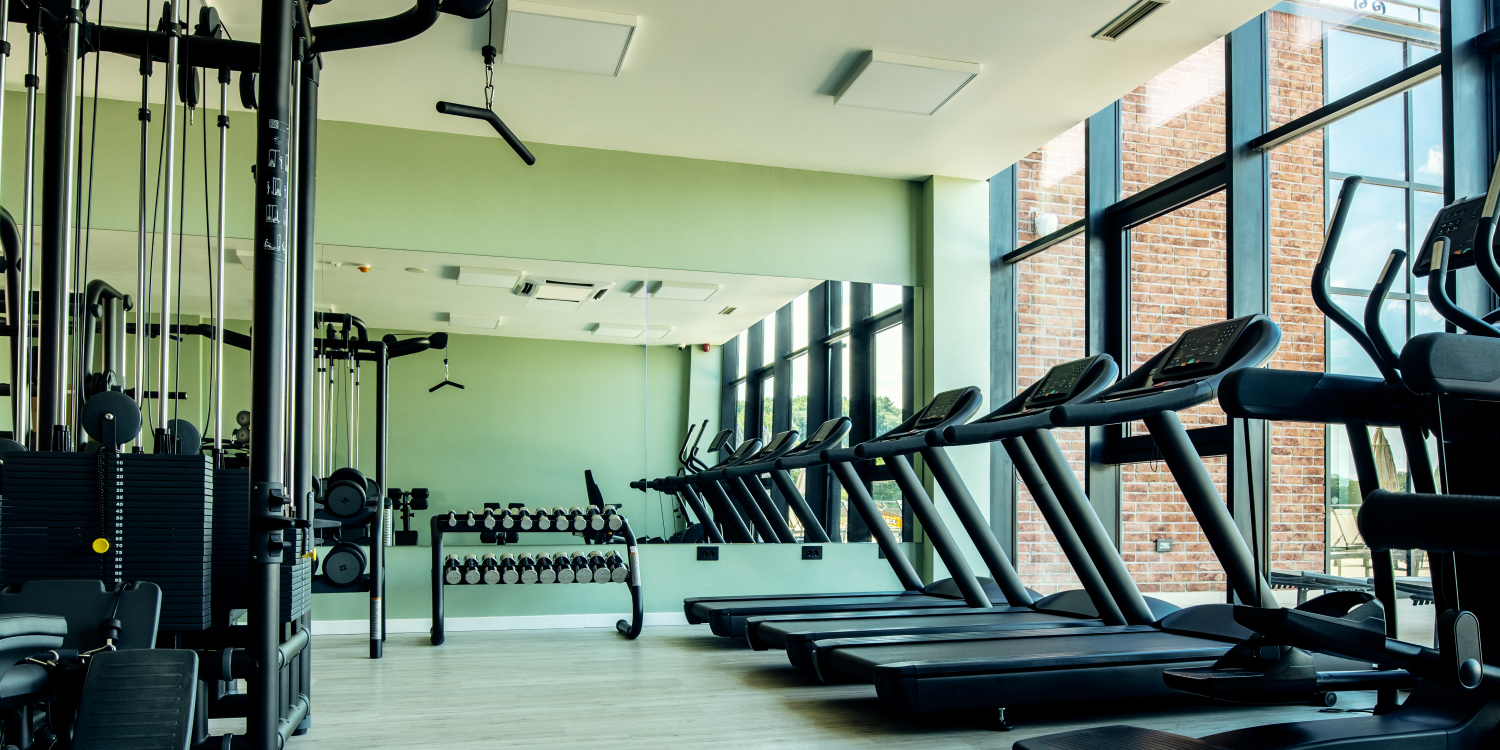
When you start your fitness journey, motivation and excitement are high. Many people begin their fitness journey with enthusiasm at private gyms. The first couple of weeks are exciting because the scale shows instant results. Your clothes fit better, and lifting heavier weights seems effortless. That feeling of momentum carries you for a few weeks. Then, one day, progress slows down. The numbers stop changing, and your muscles no longer feel challenged. Now your motivation takes a hit. Welcome to the dreaded workout plateau.
Most gym-goers know about the workout plateau. Many people get derailed from their workout journey when they hit a workout plateau. The good news is that hitting a plateau is not the end of the road. It just means that your body has adapted to the routine. Trainers at private gyms know that the secret to breaking through a plateau is not working harder–it’s more about working smarter.
Understanding What a Workout Plateau Really Is
You might have been working out diligently and seeing results until you hit a plateau. It is normal to think, “I have been doing everything right, so why have my results stopped?” Nearly everyone experiences a workout plateau at least once on their fitness journey. Normally, a plateau happens for two reasons. The first is that when you begin exercising, everything is new. Your muscles, your joints, and your nervous system are exposed to a new challenge and respond quickly, and your body becomes stronger, more coordinated, and more efficient. After some time, the body adapts to the workload. Exercises that once challenged the body become routine, requiring less effort. Progress slows down.
The second reason progress slows down is that your motivation fades. The exercises feel repetitive. This is more of a mental slump. This can also happen when you use just one metric to measure your progress. The scale may not show any change even though you are building muscle and improving your endurance. Most people push themselves harder and spend hours in private gyms. They do not make time for recovery, which increases the chances of injury.
Why Generic Workout Plans Eventually Stop Delivering Results
Not everyone works out at commercial or private gyms. There are fitness coaches who have programs designed for weight loss and muscle gain. Many people rely on online videos as well. These generic programs can be useful to some people, but they ignore individual differences. Online workout challenges are fun, but they do not adapt to your individual progress. Each person is different, and the way their body responds to exercises is different. An exercise move that benefits one person may not reap equal rewards for another. The recovery time for each person is also different. If you have an injury or are recovering from a previous one, these generic programs may not be the best choice.
When you visit private gyms, trainers make a complete assessment of your fitness level, lifestyle, limitations, and past injuries. Trainers design personalized workouts for each client based on their personal information. This is the advantage of private gyms. You are not just another membership number there. Your trainers understand your goals and work with you to reach them. With a properly structured workout plan, it is easier to reach your goals.
How Private Gyms Build Programs Around Your Individual Baseline
Trainers at private gyms make a complete assessment of a new client. At Paragon Body, we have a movement screening for every new client. We have a thorough discussion with the client to understand their fitness level, strength, mobility, and injury history. Before creating a workout plan, we understand their lifestyle. What is their work like? How much time can they realistically dedicate to working out? Does their work involve a lot of travel? Do they have sedentary jobs? How many hours on average do they sit in front of a desk at work? What is their daily activity level?
Trainers also try to understand the sleep quality and nutrition habits of clients. They have conversations about the client’s fitness goals–both short- and long-term.
Progressive Overload Done the Right Way
Trainers help clients avoid plateaus by consistently challenging their bodies with more weight, repetitions, or volume over time. This is known as progressive overload. The body tends to adapt to the stress of a fixed workout program in a couple of months. This is not a hard-and-fast rule; it changes from person to person. A fixed workout plan will show visible results until it challenges the body. Once the body adapts to the exercise, it stops being challenging. That is when trainers at private gyms use progressive overload.
Progressive overload is the practice of gradually increasing the stress placed on your musculoskeletal and nervous systems during exercise. Most people falsely believe that it is only about increasing the weights during exercise. You can progressively overload by increasing the weights, but progressive overload can also involve increasing the repetitions, sets, tempo, or rest periods. Increasing the time under tension while exercising is also a way to challenge the body. Increasing the range of motion and training frequency are also ways to keep the momentum strong. It is always better to try progressive overload under the guidance of trainers at private gyms to prevent injuries.
The Role of Exercise Variety Without Creating Randomness
One of the biggest misconceptions is that you need a completely different workout every day to keep making progress. Variety is important, but constantly changing exercises without a purpose often fails to deliver results. At private gyms, exercise variety is introduced strategically. Trainers design customized workouts for clients and help them stay consistent with their workouts. They track the clients’ progress and introduce adjustments to challenge their bodies in new ways. Instead of changing exercises every week, trainers may recommend switching from a dumbbell press to an incline press, or recommend changing the grip during rowing movements. It can even be introducing single-leg raises to improve balance and stability.
Trainers can also change factors beyond the exercises. They may also introduce different equipment, such as kettlebells, resistance bands, or suspension trainers. These changes create fresh challenges without changing the structure of the program.
This way, clients do not find the workouts monotonous. It keeps sessions engaging and paves the way for new small milestones that can be reached.
How Trainers Continuously Monitor Progress Beyond the Scale
How do people commonly track progress? They usually rely on the scale. When the scale refuses to budge, they feel demotivated. Trainers at private gyms measure progress beyond the scale. Body weight is only one metric to measure progress. Trainers also track improvements in strength and endurance. Improvement in flexibility also indicates progress and is used as a tracker by trainers.
Faster recovery between sets is also used as a measure of progress by trainers. When clients perform movements with greater confidence, trainers see that as progress. Improved balance and stability signal progress, as do increased energy levels. Trainers use performance milestones to measure progress.
Conclusion
Everyone hits workout plateaus. Trainers at private gyms can help you navigate plateaus. Workout plateaus are signs that the body has adapted to the workout program and needs a different type of challenge. The solution is not to increase intensity or hours at the gym or chase other fitness trends. At Paragon Body, we make intelligent adjustments based on every client’s body, goals, and recovery.