
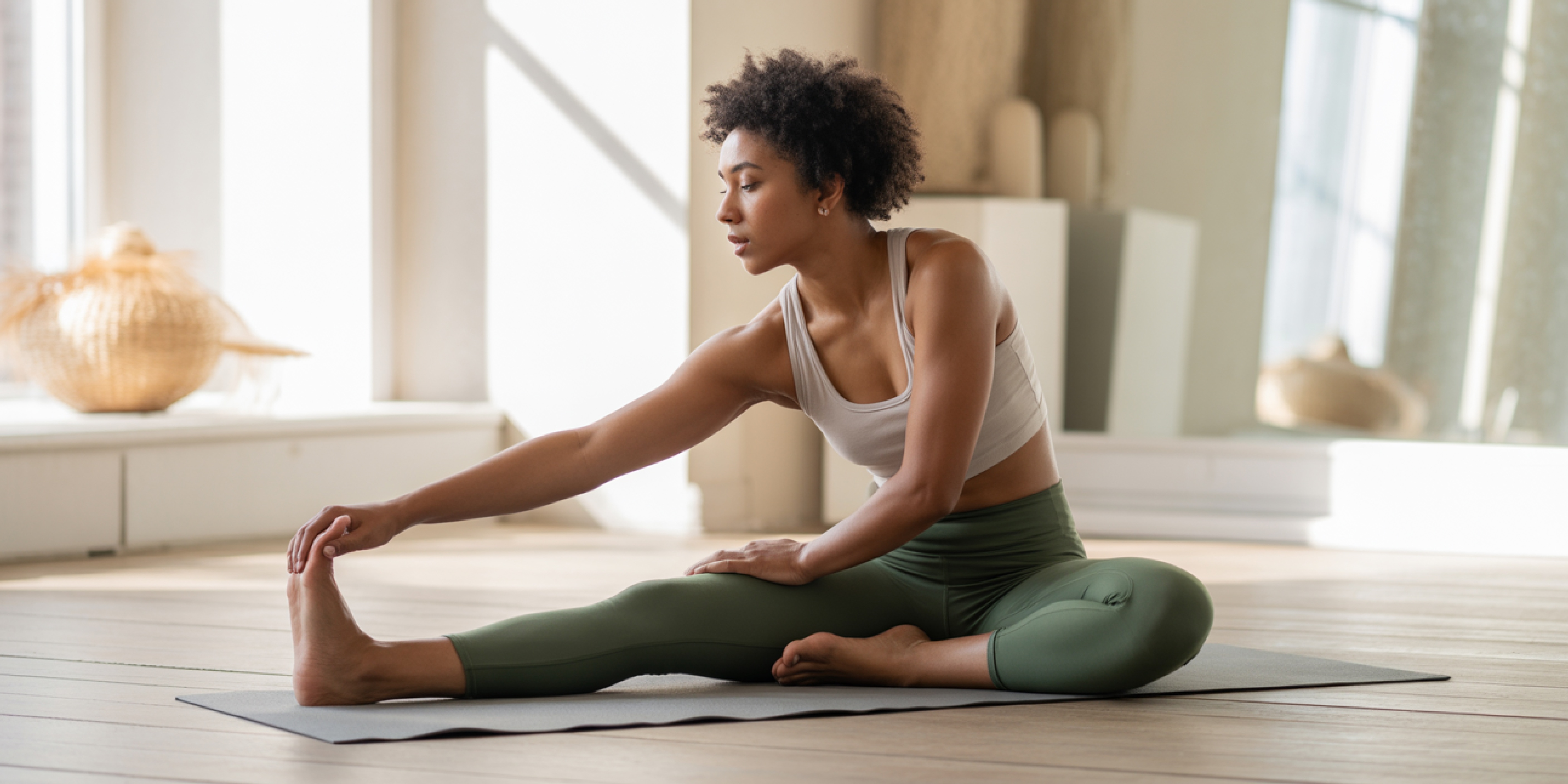
Fitness is a mantra that many people swear by. Maintaining a healthy lifestyle is associated with a longer life. So, you clock your steps, stay active, and make healthy eating choices. But what is often overlooked is mobility. Restricted movements or loss of mobility is what truly make people feel “old”. Practicing full-body stretching exercises regularly will help improve the quality of life in the long run.
Everyday activities demand joint flexibility. Your ability to squat, lift, twist, and walk up stairs is what dictates your freedom of movement. Full-body stretching exercises stretch all the muscles and relieve muscle soreness. Even people who train hard will find it beneficial, especially those who skip recovery. Training in the gym builds muscle, but most traditional exercises do not directly train mobility.
People who train hard will find themselves getting stiffer if they do not include full-body stretching exercises in their routine. This blog will dive into how full-body stretching exercises help improve your quality of life as you age.
The Science of “Movement Age”: Why Flexible Bodies Stay Younger Longer
Age is just a number. Your movement age and biological age may not be the same. Haven’t you seen 60-year-olds running marathons or staying active like people decades younger? This ease of movement, which defies age, hinges on mobility habits.
The body’s collagen production reduces as we age. Synovial fluid in the joints decreases with age, which contributes to stiffness. Synovial fluid circulation is important for joint flexibility. This can be mitigated with regular stretching. Stretching maintains the glide between muscles and fascia, preventing stiffness. Improved flexibility contributes to better posture.
Mobility reduces injury risk and improves balance. It acts as a longevity marker.
Dynamic vs. Static vs. Loaded Stretching- Which One Actually Slows Aging?
Dynamic stretches are ideal for warm-ups. These help warm up the joints and improve circulation. They help maintain reaction time and coordinate movements as you age. Static stretching helps stretch chronically tight muscles (hips, chest, and hamstrings). They are especially important for people with sedentary jobs or those who lift heavy. Loaded stretching is a new-age mobility trend. It builds flexibility and strength at the same time. It has been shown to improve tendon resilience, which is crucial for aging gym-goers.
All three have their individual benefits. Most people stretch randomly- perhaps a quick static stretch after a workout, or a brief hamstring stretch before squatting. For longevity, you need to have a structured plan. It is understood that dynamic stretching prepares joints for activity, static stretching lengthens the muscles, and loaded stretching builds long-term flexibility and strength. A balanced approach blends all three into your weekly routine so your body stays strong, mobile, and youthful.
Longevity Starts at The Hips
Hip mobility is key to spinal health, squat mechanics, and gait speed. These are crucial for movement and thus longevity markers. Prolonged sitting and heavy lifting will leave many gym-goers with locked hips. Tight hips are the reason for lower back pain and knee pain. It reduces athleticism, too.
To keep your hips functioning well, we recommend these three full-body stretching exercises for the hips.
90/90 Transitions
This floor-based mobility exercise is done sitting on the floor, one leg is placed in placed front of you and the other to the side, both bent at 90 degrees. Rotate your knees and hips so that each knee moves towards the floor in turn.
This stretch uses the core muscles to stabilize the body as you rotate the hips and knees. The spine rotates gently, and so do the ankles and knees.
Hip internal and external rotation decline quickly with age. With this stretch, you train the joint capsule.
Deep Squat Sits
This is a deep squat performed with your feet flat on the ground, chest open, and knees pushed out gently. It improves hip flexion. It engages the upper back and core. Ankles and knees get a deep mobility stimulus. Your pelvis gets a full range of motion.
Hip CARs
A slow, controlled movement that takes your hips through the entire range of motion in a circular pattern. Stand with one leg bent at 90 degrees in front of you and slowly draw an “O” shape with your knee, making sure to get the full range of motion through the hips. Repeat with the other leg. This stretch engages the core. When you do it on the floor, it engages the shoulders, arms, and torso. The lower back learns to stay neutral instead of overcompensating. This stretch promotes joint lubrication and mobility.
Shoulder Longevity: Keeping Your Upper Body Mobile for Life
Bench pressing and long hours working in front of a desk restrict shoulder mobility. Chest tightness often increases with stress and higher training volume. When upper body mobility is compromised, it affects posture, lifting. and everyday tasks.
Full-body stretching exercises can help improve shoulder mobility. Some stretches that incorporate upper back and shoulder flexibility are wall glides, sleeper stretches, thoracic spine extensions, and hanging for shoulder decompression.
Ankle Mobility: The Most Ignored Longevity Habit
Ankle stiffness increases with age and raises the risk of falls. Some stretches to improve ankle longevity are knee-to-wall ankle mobilization, calf eccentric stretching, and weighted dorsiflexion drills.
Spine Is the Real ‘Longevity Meter’: Keep It Moving, Keep It Young
A stiff spine can age you quicker than wrinkles. Sedentary jobs and lifting can leave you with a frozen thoracic spine. The spine needs regular flexion, extension, rotation, and side bending to stay healthy.
Full-body stretching exercises that work your spine are cat-cow variations, thread-the-needle, Jefferson curls, and T-spine rotations on the floor.
Breathing + Stretching: A Longevity Power Duo
While exercising, your breathing should be in rhythm with the movements. Breathing influences the nervous system. Exhalation improves stretch depth by activating the parasympathetic system.
Full-body stretching exercises should include breathwork. Before a stretch, inhale for 4 seconds and hold it, followed by a long exhale. Another exercise to try is belly breathing during long holds. Try synchronizing side stretches with slow, controlled breathing.
Breathwork helps to decrease inflammation, a key aging factor.
Stretching Makes You Better in The Gym
With an improved range of motion, the muscles activate more effectively. When you work on your flexibility with full-body stretching exercises, your lifting volume will increase. Lifting dynamics improve as there is less joint grinding. The reduced tension in the muscles lowers inflammation. Mobility improves overall athleticism.
Strength is built through gym training, and mobility develops with full-body stretching exercises. Strength and mobility together contribute to ageless performance.
Wrap Up
Build a weekly flexibility plan for longevity. Balance it with a mix of daily mobility, deep static stretching, and loaded mobility. A basic plan should include 5–10-minutes of mobility exercises every day. The aim is to move all your joints and keep the synovial fluid circulating properly. Include 2-3 deep static stretching sessions per week to undo the tightness of the week. 1-2 loaded mobility sessions help build strength and improve tendon health. It helps to reinforce the new flexibility.
For a more detailed understanding of full-body stretching exercises, visit Paragon Body. Our trainers are always on hand to help you. Book a consultation and reap the benefits!