
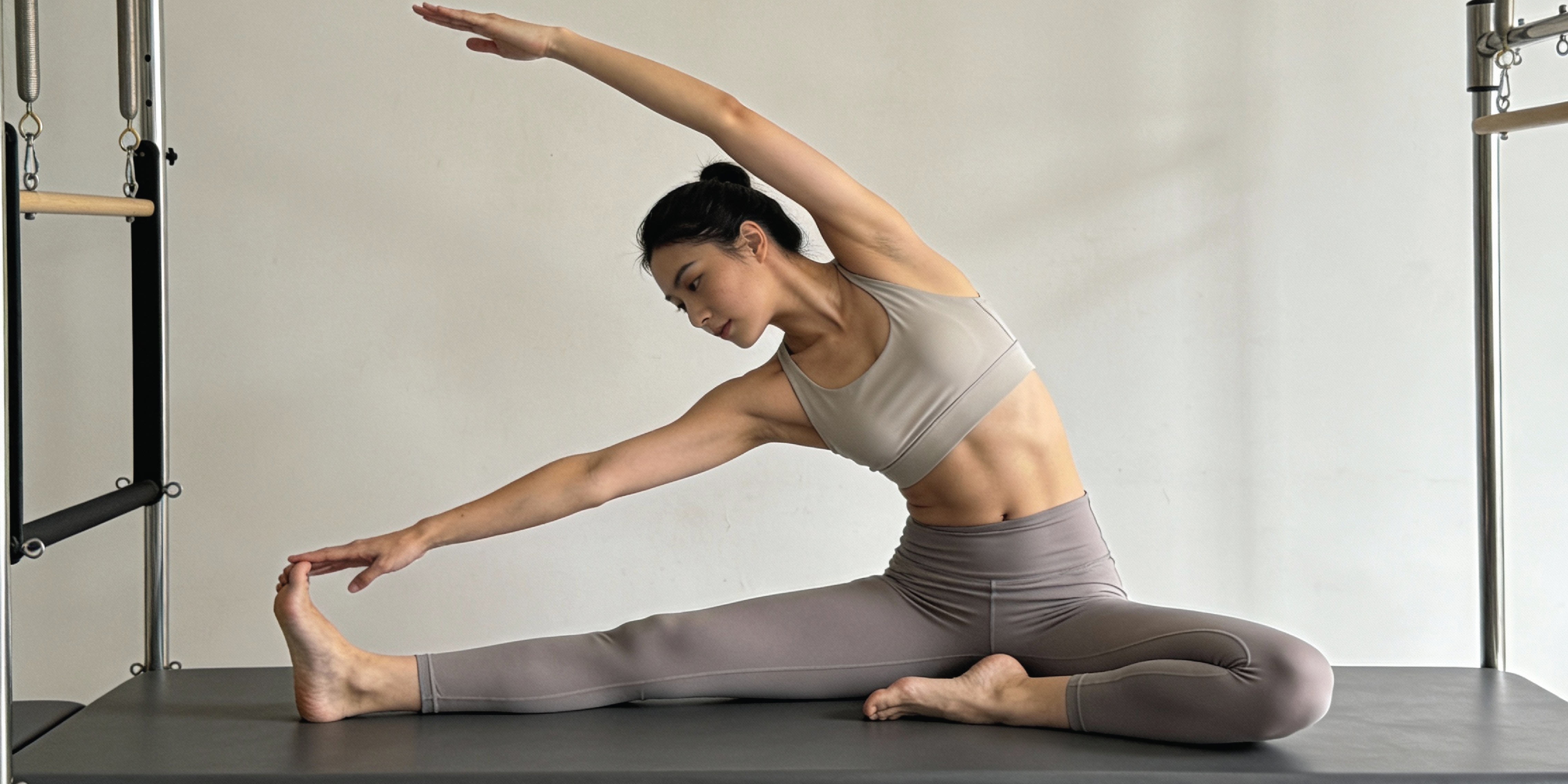
Old age comes with aches and pains. In fact, it’s not just age; even young people face the same problem. It starts with stiffness and aches in new places. Soon, you start believing that your body is just built that way. Full-body stretching exercises maintain your body and keep your joints mobile. You can have an active lifestyle and work out at the gym, but mobility is only ensured when full-body stretching exercises are incorporated into the workout plan.
Trainers include full-body stretching exercises in the routine subtly because it is small, consistent movements matter. Focusing on a particular type of training helps achieve your goal. But what people often ignore is mobility work.
This blog explores how full-body stretching exercises help you age pain-free.
Why Pain Becomes More Common With Age
Our bodies undergo many changes as we age. Aches and pains reduce our range of motion, and the range of movement of our joints is compromised. Years of repetitive postures shorten our muscles. Our movements become restricted without a regular variety of movement.
The strength levels that you possessed in your younger days diminish with the loss of coordination between muscles. The nervous system becomes sensitive due to stiffness. It is not birthdays that age you; it’s a sedentary lifestyle. As we restrict our movements, the body’s tissue recovery process slows.
Isolated stretches do not address the overall stiffness of the body. People attribute the overall stiffness to wear and tear, when in fact, it is the effect of underused muscles and joints.
What Full-Body Stretching Exercises Actually Do
Full-body stretching exercises are not about routines but about the internal benefits. They help improve communication between muscles and joints. Private gyms design their programs based on real-life movements. This restores natural movement that has been lost over time.
Improved flexibility encourages smoother load transfer through the body. This helps when you're training for your goals. It loosens and stretches the muscles. The tension in the muscles reduces, and the nervous system relaxes.
It also enhances body awareness and improves balance. The joints are worked through a healthy range of motion.
Improved flexibility helps build confidence.
Full-Body Stretching Exercises vs Isolated Stretching: Why the Whole Matters More
Most people stretch when some part feels tight. Stiff neck? Stretch the neck. Tight hamstrings? Bend and touch your toes. Lower back ache? Stretch and twist. These isolated stretches may seem like the right thing to do; however, the body is a cohesive system.
No part works in isolation from the rest of the body. It works as a connected system. An ache that shows up in a part may have its origin somewhere else. If you have poor posture or weak muscles in one area, other areas compensate for them. The ache may show up in the overworked area, and even when you stretch that area, you don't address the area that actually needs work.
Isolated stretching does not help as we age. Full-body stretching exercises look at movement as a whole, not a collection of parts. Instead of stretching a tight muscle, full-body stretching can address the cause.
The Body Doesn’t Move in Parts- It Moves in Patterns
If you think about how your body moves through a normal day, you will realize that every movement involves many joints and muscles. For example, when you reach for something, get out of a chair, or turn around, multiple joints and muscles work together to carry out the movement.
Isolated stretching ignores this reality.
Isolated stretching assumes that tightness in an area is restricted to that particular area. In reality, tightness in an area develops because other areas have become weak. When muscles in an area become weak, other areas compensate to allow movement. When one area of the body does not work properly, another part compensates, and that compensation is what shows up as stiffness or pain.
Full-body stretching exercises address the body as a whole unit. They improve coordination between joints and muscles.
Why Stretching the “Problem Area” Often Doesn’t Work
Most people stretch a stiff neck or a bad back and feel relief for a little while. The symptom will be back soon because they are stretching the symptom and not the cause.
A tight lower back may be compensating for stiff hips. Neck tension is often associated with limited upper back mobility. Hamstring tightness can be the result of restricted hip mobility. It can even result from poor spinal movement.
As long as the underlying movement imbalance remains, the stiffness and aches will persist. You can only hope for temporary relief with isolated stretches. Full-body stretching exercises work all the muscles and joints and take the pressure off overworked areas. They help move all parts equally and redistribute movement across the system.
How Full-Body Stretching Exercises Protect Joints Over Time
As we age, we blame joint discomfort on “wear and tear”. It is less about the joints being overused and more about them being under-moved. Regular full-body stretches keep the joints healthy by allowing regular, comfortable, and natural range movements.
Daily movements nourish the joints. The synovial fluid is circulated, and it helps smooth movements. It also reduces friction in the joints. As you age, long periods of sitting or repetitive habits can leave your joints feeling stiff and achy. Full-body stretching exercises can alleviate the stiffness of joints and increase mobility.
Full-body stretching exercises distribute the load evenly on all the joints. Certain joints can take on more load than they are designed for due to various reasons. When the hips, shoulders, and spine move together, the pressure is distributed more evenly. This can help protect the knees, lower back, and neck from excessive strain.
The Nervous System Connection
Most people don’t realize the connection between the nervous system and the muscular system. If a movement has been associated with pain, the nervous system can go into protection mode.
Practicing full-body stretching exercises regularly with proper breathing calms the nervous system. It sends signals that the movement is safe. This reduces muscle guarding. Muscle guarding is an unconscious tightening of muscles that makes muscles stiff. Over time, everyday movements start to feel safe.
Full-body stretching improves coordination and builds confidence.
Stretch as Everyday Function
Have you seen people get up quickly and wince as pain overwhelms them? Joint and muscle stiffness can cause that pain. Full-body stretching exercises make your life and workouts easier. They help support everyday movement.
When practiced regularly, they help improve your posture. If your mobility is compromised as you age, it restricts your independence. When everyday movements feel comfortable and safe, people are more likely to stay active, socially engaged and confident as they age.
And Finally
Stretching isn’t about bending your body into a pretzel. It is about keeping your joints flexible and mobile. What matters is not the intensity but consistency. Short daily full-body stretching exercises are far more effective than long routines done occasionally.
For beginners, start with 10 to 15 minutes of gentle stretching and notice the difference in a few weeks. Focus more on getting through life comfortably and actively.
At Paragon Body, we have experienced personal fitness trainers who can guide you on simple stretching routines and how you can incorporate them into your daily life. Book a consultation and visit us to know more.